Five Drops, Seven Evenings: Notes From a Low-and-Slow CBD Week
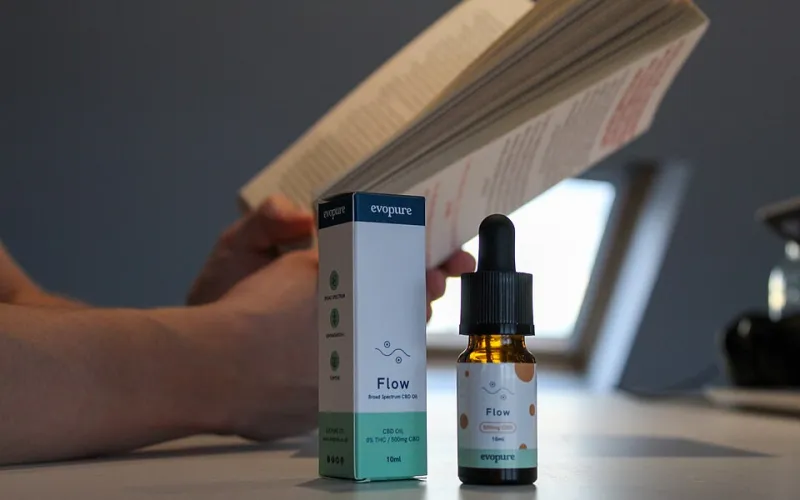
Photo: notebook and CBD oil dropper bottle on table beside rainy window evening, via global-uploads.webflow.com
I've reviewed enough CBD bottles this year to fill a kitchen drawer, and yet my own routine has been scruffy at best: a drop here when I remember, a skipped week, a half-finished bottle I couldn't date. So for seven days in early November — the week the clocks have properly bitten and the walk home happens in the dark — I tried doing the opposite. Small, steady, boring. Same rough time each evening, same small amount, written down.
This isn't a recommendation, a dose guide or anything resembling medical advice. It's a diary. Take it as one person's notes on whether a low-and-slow habit is even workable when your evenings are dark by half four.
Ground rules I set myself
I picked a 10ml full-spectrum oil at a modest strength, the sort that sits comfortably in the sub-£40 bracket. Straightforward label: carrier listed as MCT, strength per drop stated, batch number on the base of the bottle. I kept the amount low and unchanged all week — deliberately smaller than I'd have chosen if I were chasing an effect, because the point was consistency, not escalation.
I took it between 19:00 and 20:00, under the tongue, held for about ninety seconds. I logged the time, whether I'd eaten, how the evening felt, and when I went to bed. That's it.
The week
Monday. Took it at 19:20 after dinner. Forgot I'd taken it by 20:00, which I'll count as a good sign — nothing to report, nothing dramatic. Slept at 23:15. It rained sideways against the window for most of the evening and I didn't notice until the bin went out.
Tuesday. 19:05. Ate late, so the dose landed about twenty minutes after a fairly heavy pasta situation. Noted a faint earthy aftertaste holding on longer than usual — worth flagging that the carrier seemed more present on a full stomach. Went to bed earlier than planned. Hard to say whether that was the oil or the fact that Tuesday in November is a Monday with extra steps.
Wednesday. Nearly skipped it. Got home at 20:45 after a delayed train and the whole routine felt like admin. Took it anyway at 20:50, mostly because breaking a four-day streak on day three annoyed me. This is the honest finding of the week: the habit survives on stubbornness, not enthusiasm.
Thursday. 19:10, on an empty-ish stomach before dinner. The most noticeable evening of the seven in terms of sheer "something's happening" — a mild sense of settling that I'd describe as unremarkable but present. Cost check: at this rate the bottle will last roughly seven or eight weeks. That's the number that matters more than any single evening's impression.
Friday. Pub. Took it before heading out at 18:50, which involved the mildly undignified process of holding a dropper in the hallway mirror while putting a coat on. Worth noting that a low dose slots into a normal social evening without any ceremony, which is not something you can say about most wellness habits.
Saturday. 19:40. Long walk in the afternoon, cold hands, the sort of day where the dark arrives and you're already in tracksuit bottoms by five. Nothing remarkable. The uneventfulness is becoming the actual result — I'm noticing the routine more than any sensation.
Sunday. 19:15. Last one. Empty bottle check: comfortably on schedule. I wrote down the opening date on the label, which I should have done on day one.
What the week actually taught me
Timing beats tinkering. Keeping the hour roughly fixed did more for the habit than any adjustment to the amount. It became a cue rather than a decision.
Small bottles make better experiments. Seven days cost me around £5 in product. That's a cheap way to find out whether you'll actually stick with something, and a strong argument for buying a modest 10ml before committing to the big one.
Label clarity matters at low doses. When you're taking a very small amount, you need to know exactly what a drop contains. Anything vague about strength per ml is a genuine obstacle here — you can't be consistent with numbers you can't find.
Carrier shows up more than you'd think. The MCT base was clean, but on fuller stomachs it lingered a touch. A hemp seed or olive carrier would likely have been more present still. At this volume, the base is a real part of the experience.
The dark is the variable, not the drops. I sleep differently in November regardless. Any honest diary has to say that out loud rather than credit a bottle for the weather.
Would I keep going?
Yes, provisionally. Not because of a transformation — there wasn't one — but because the structure is sustainable: one small measure, one fixed hour, one line in a notebook. It fits a British winter better than most things I've tried, largely because it costs about four minutes of an evening that was going to be spent under a blanket anyway.
The caveat is the one I'd apply to any CBD purchase: buy from a brand that tells you what's in the bottle and how much is in each drop, then run your own small experiment rather than adopting someone else's. Seven days is enough to learn whether a habit sticks. It isn't enough to learn anything else, and anyone who claims otherwise in November is selling you something.