Small Change, Sharp Eye: Curating the Sub-£20 CBD Shelf in 2026
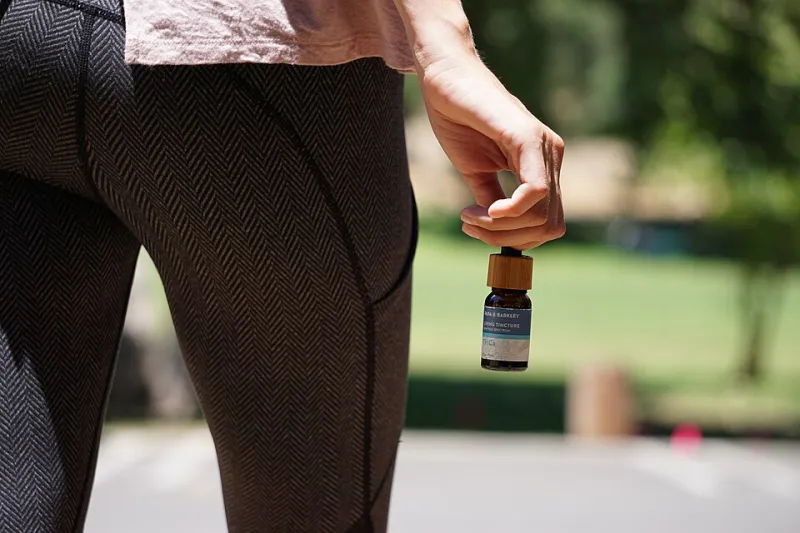
Photo: UK independent health shop shelf with budget CBD oil bottles and price tags, via as2.ftcdn.net
Twenty quid is a funny threshold in UK wellness retail. It is the price of a decent lunch, a middling face cream, or a bottle of CBD that may or may not be worth the postage. The sub-£20 shelf is where hopeful labels compete, and where false economies hide. In 2026, the budget CBD question is not whether cheap products exist. It is whether any of them deserve a place in your letterbox.
The only maths that matters
Start with cost per 100mg of CBD, not the sticker price. Take the total CBD in the pack, divide by the price, then multiply by 100. A 10ml oil with 500mg CBD at £20 works out at £4 per 100mg. A 10ml oil with 250mg at £15 is £6 per 100mg. A 1,000mg bottle at £35 is £3.50 per 100mg. That quick sum tells you more than any front-label slogan. If a 1,000mg bottle is £9.99, ask what is actually inside it, because CBD isolate, carrier oil and testing all cost money.
What budget really buys
Under £20, you can realistically expect a smaller bottle, a simpler extract, or a lower daily dose. That might mean a 10ml broad-spectrum oil at 250mg to 500mg, a 20-capsule pack at 10mg per capsule, a small balm with 100mg to 200mg, or a low-dose edible. None of those is automatically a bad buy. Budget CBD often means fewer milligrams, not necessarily a dodgy product. The trick is knowing which corner has been cut.
An isolate-based oil can be perfectly legitimate. It is usually cheaper because it contains purified CBD rather than the wider mix of minor cannabinoids and terpenes. A broad-spectrum oil costs more to make, so a very cheap broad-spectrum claim deserves a closer look. The same goes for water-soluble products and fancy gummies: the clever formulation may be real, but the CBD dose is often tiny.
Shortcuts to watch for
The first shortcut is vague milligrams. A label that shouts 1,000mg may be talking about hemp seed oil, total extract, or the weight of the bottle rather than CBD. Look for the CBD content per ml or per capsule, plus a serving size you can actually measure.
The second is a missing batch code. A batch code is the product's passport. Without one, you cannot match the bottle in your hand to a lab report. A QR code that opens a homepage instead of a certificate is not proof of testing. It is a shrug in digital form.
The third is a certificate of analysis that only tests potency. A proper report should cover cannabinoids, THC level, pesticides, heavy metals, solvents and microbials. Budget products can still be tested properly. If the paperwork only covers the easy bit, the saving is coming from somewhere.
The fourth is packaging theatre. Dark glass and a dropper feel premium, but an opaque plastic bottle can protect an oil perfectly well. What matters is whether the pack keeps light out, seals properly, and carries a batch number and best-before date. A pretty box is not a quality mark.
False economies
Buying three tiny 10ml bottles can cost more per milligram than one sensible 30ml bottle. A subscription to a low-dose capsule can feel convenient while delivering less CBD than a single better-value oil. Edibles are another trap: a jar of gummies may contain 200mg across 20 sweets, which is 10mg each, and quite a lot of sugar. If you want a meaningful daily amount, the maths soon stops being cute.
The other false economy is chasing the cheapest isolate when you actually wanted a broad-spectrum experience. If minor cannabinoids matter to you, pay for a product that tests for them and states the profile. Do not pay premium prices for a budget extract, and do not expect premium complexity from a rock-bottom one.
A small curated shortlist
These are the archetypes that pass the £20 test in 2026, not miracle claims.
The £18 10ml broad-spectrum oil with 500mg CBD, a printed batch code and a live certificate that covers more than potency. It is a small bottle, but the maths is honest.
The £14 capsule jar with 20 capsules at 10mg each, clear serving instructions and a batch number on the base. Simple, tidy and easy to trace.
The £16 balm with 150mg CBD, a short ingredient list and an expiry date that is not a mystery. A balm is not a high-dose product, but it can be a pleasant, low-stakes way to try a topical.
The verdict
Budget CBD is not automatically a compromise. It is a smaller budget with less room for nonsense. The £20 rule is simple: if you can trace the batch, understand the dose and see the testing, the product has a fair chance. If the label is loud and the paperwork is quiet, keep your money. A gem is not the cheapest thing on the shelf. It is the one that tells you exactly what it is.