The Unremarkable Bottle: CBD at Work Without the Awkward Pause
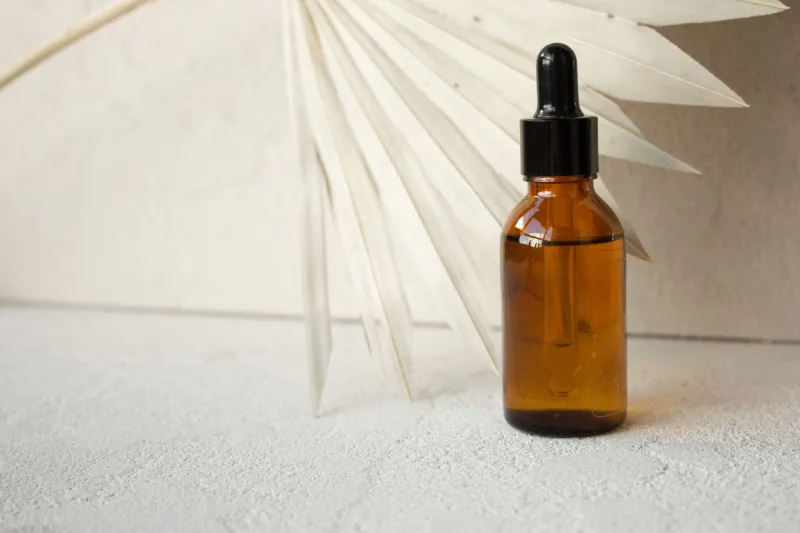
There is a particular kind of pause that happens in a UK office kitchen. Someone spots a small amber bottle in your bag, asks what it is, and the room waits for an answer. You can almost hear the kettle holding its breath. The awkwardness rarely comes from the product itself. It comes from the framing — as though using CBD at work requires a confession, a lecture, or a defensive little speech about what it definitely is not.
It does not. CBD Gems is built around the idea that good cannabidiol discoveries should fit quietly into real life, and real life includes desks, commutes and shared kitchens. The trick is to treat workplace CBD as part of a calm, curated routine rather than a personality trait. In 2026, that means thinking about format, policy and conversation in roughly that order.
Start With the Policy, Not the Pitch
Before you worry about what colleagues might think, check what your employer actually says. Employee handbooks, intranets and HR policies are not glamorous reading, but they are the first place to look. Some workplaces have clear rules on supplements, food and drink, or personal items in desk drawers. Others say nothing at all. If the policy is silent, keep your use personal, discreet and unremarkable. If you are unsure, ask a general question rather than a dramatic one: 'Is there any guidance on personal supplements kept at work?' That is a normal administrative query, not a reveal.
It also helps to separate categories in your own head. A CBD balm for evening shoulders is not the same as a capsule taken midday. A bottle of oil kept at home for a measured evening routine is not the same as something left on a shared desk. The fewer formats you bring into the office, the fewer conversations you need to have.
The Desk-Drawer Edit
The best workplace CBD is the one nobody notices. For many people, that means capsules in a plain container, a small balm stick for hands or shoulders, or an oil kept at home and used outside working hours. If you do keep something at your desk, choose packaging that does not invite a Q&A. A muted label and a zip pouch will always be less interesting to a passing colleague than a neon bottle with a slogan.
Think about smell, too. Strongly flavoured oils and heavily scented balms can travel further than you expect in a shared space. A neutral capsule or a low-scent topical is usually easier to live with in an open-plan office. And keep the quantities modest. A desk drawer is not a stockroom; one product, properly chosen, is more in keeping with the curated approach than a chaotic little collection.
The Commute Bag, Not the Conference Table
If your routine involves CBD during the working day, the commute bag is often a better home than the meeting-room table. A leakproof pouch, a small bottle and a bit of restraint go a long way. Use it privately, not as a prop. CBD does not need to be presented alongside your notebook and water bottle like a wellness accessory.
There is also a simple etiquette point here: do not treat shared surfaces as your personal prep area. No dropping oil into tea in the kitchen, no leaving bottles beside the communal fruit bowl, no offering a 'tiny bit' to the colleague who asks what it tastes like. The calmest routine is usually the most private one.
What to Say When Someone Asks
You do not owe anyone a full explanation. A short, friendly answer usually closes the subject faster than a long one. Try something like: 'It is a CBD product I use as part of my routine — nothing more dramatic than that.' If the questions continue, redirect gently: 'I am not the person to give advice on it, to be honest. I just keep my own routine simple.'
If someone asks whether it works, resist the urge to make claims on behalf of the entire category. 'I do not make claims for anyone else' is a perfectly good answer. If a manager or HR colleague asks, keep it brief and factual, and refer back to the policy. The goal is not to educate the office. The goal is to make your own working day feel less cluttered.
The Etiquette of Not Sharing
Sharing is one of those instincts that feels friendly but rarely lands well in a workplace. CBD products are personal, doses vary, and labels can be confusing. Do not offer samples, do not pass a bottle around, and do not assume a colleague's interest is an invitation to experiment. The kindest thing you can do is keep your own routine contained and let other people make their own choices in their own time.
That also means keeping labels and receipts where you can find them. If a product is worth keeping in your life, it is worth knowing what is in it. CBD Gems tends to favour brands that make the paper trail easy — clear batch information, sensible serving guidance, packaging that does not rely on hype. In an office context, that quiet transparency is more useful than a loud brand story.
A Curated Routine, Not a Confession
Workplace CBD etiquette is really just ordinary manners applied to a slightly unusual product. Check the policy. Choose discreet formats. Keep the conversation short. Do not turn your desk into a shop counter. And remember that the most confident approach is often the least dramatic one.
The water-cooler moment does not have to become a seminar. A small bottle, a calm answer and a change of subject are usually enough. That is the CBD Gems way of looking at it: fewer products, better chosen, quietly woven into the day. If your routine can survive a shared kitchen and a curious colleague without turning into a performance, it is probably settling in exactly where it belongs.