Taster Flights and Mini Balms: How to Judge a UK CBD Discovery Set in 2026
Sample-size safaris are having a moment. Walk through the UK CBD shelf in 2026 and you will find more mini oils, balm samplers, capsule trials and edible flights than ever before. That is broadly good news for anyone who wants to try before they commit, but it also creates a new job for the careful shopper: telling a genuine discovery set apart from a marketing teaser with a ribbon on it.
A good taster pack should behave like a small, honest version of the full-size product. It should answer three questions quickly: what am I taking, how easy is it to dose, and what does it cost per milligram? If a set only answers 'does the packaging look nice on Instagram', it has not done its job.
Start with the maths, not the ribbon
The first thing to check is dose clarity. A mini oil might say '100mg CBD' on the front, but you need to know whether that is per bottle, per 10ml, or per dropper. A 5ml bottle containing 100mg is a different proposition from a 10ml bottle containing 100mg, especially once you start working out cost per milligram.
Do the sums before you fall for the story. If a 5ml taster costs £12 and contains 100mg CBD, that is 12p per milligram. A full-size 30ml bottle at 1,000mg for £40 works out at 4p per milligram. The taster can still be worth it as a trial, but you should know you are paying a convenience premium rather than discovering a bargain.
Balms need the same treatment. A 10ml sampler tin with 50mg CBD is not the same as a 10ml tin with 250mg. Edible flights should state milligrams per portion, not just per pack. Capsule trials should make the per-capsule dose obvious without a calculator and a magnifying glass.
What a sample should reveal
The best discovery sets give you the information you would want from the full-size product. That means a full ingredient list, a batch code, a best-before date and, ideally, a lab report or QR link. If the sample bottle is missing the batch details that appear on the full-size version, treat that as a quiet warning rather than a quirky design choice.
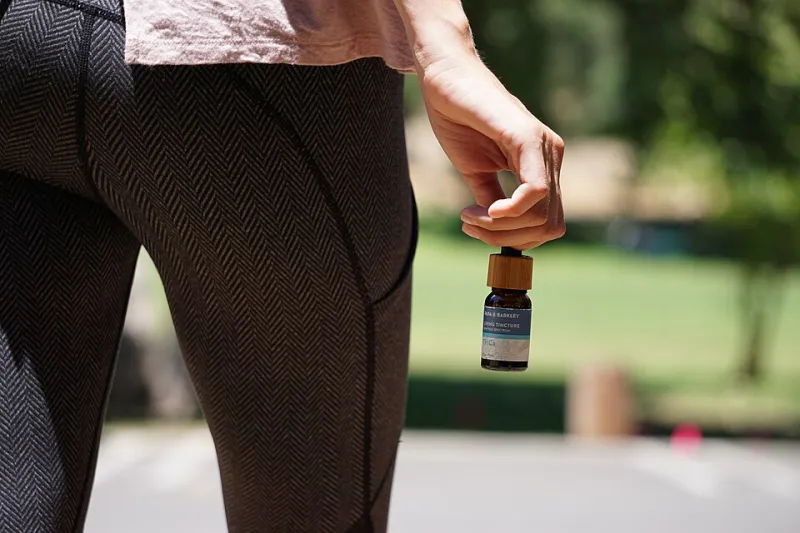
Packaging matters too. A mini oil in a dark glass bottle with a marked dropper is doing the basics well. A balm in an opaque tin or airless tube is sensible. A roll-on that leaks in transit is not a ritual, it is a laundry problem. For edible flights, check whether portions are individually wrapped and clearly labelled, because a tray of identical-looking squares is not a discovery set, it is a guessing game.
The taster formats worth your attention
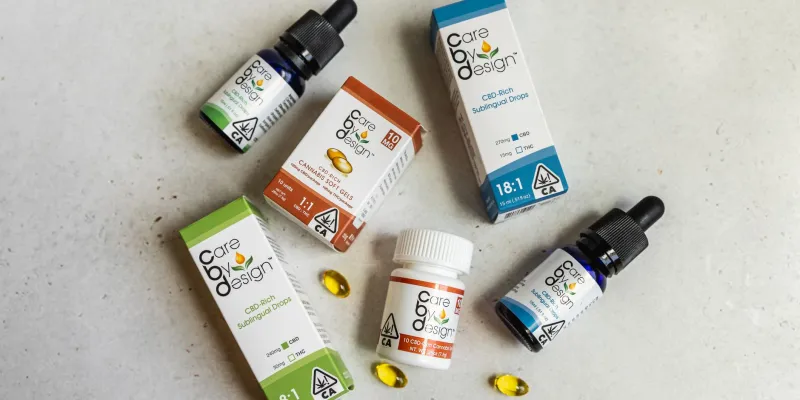
Mini oil duos
A two-bottle set with different strengths or spectra can be genuinely useful. You get to compare how you feel about the format, the taste and the routine without opening a 30ml bottle you may not finish. Look for the same batch transparency and lab testing as the full-size range.
Balm samplers
Three small tins in different bases, or a set with a day balm and an evening balm, can help you work out whether you prefer something light or rich. Check the carrier oils, essential oils and menthol content, and patch-test each one separately. A sampler is not a shortcut past that step.
Edible flights
These are appealing because they let you try a few strengths or flavours. The good ones state milligrams per piece and keep the pieces clearly separated. The less good ones rely on vague words like 'mellow' and leave you counting crumbs.
Capsule trials
Blister packs are practical and tidy. Look for a clear per-capsule dose, a batch number and a sensible shelf life. If the trial pack arrives loose in a paper bag, the provenance story has already gone missing.
Red flags in a discovery set
Opaque dosing is the big one. If the pack says 'high strength' without a milligram figure, move on. So-called proprietary blends that do not list ingredients are another soft no. Tiny 1ml sachets can be almost impossible to dose accurately, which makes them poor evidence of anything except how the brand spends its sample budget.
Also watch the checkout. A cheap sampler with £4.95 postage can stop being cheap. A discovery set that quietly enrols you in a subscription is not a taster, it is a trap with tissue paper. And if the sample formula is noticeably different from the full-size formula, you are not really testing the gem at all.
A sensible buying sequence
First, read the lab report or batch information. Second, calculate cost per milligram for the sample and the full-size product. Third, check the returns policy and delivery costs. Fourth, patch-test any topical and keep a short note of how the texture feels and whether the scent suits you. Fifth, decide whether the full-size bottle has earned its place on your shelf.
A discovery set should feel like a small, useful chapter of the brand's story, not a cliffhanger designed to make you buy the rest. In 2026, the UK CBD shopper has enough choice to be picky. The taster pack that respects your time, your skin and your arithmetic is the one worth taking on safari.