Three Slots, No Clutter: The Case for a Tighter CBD Shelf
There’s a particular kind of CBD clutter that creeps up on even the most sensible shopper. A mini oil from a market stall. A balm that smelled promising in the shop. An edible bought because the tin was lovely. Two years later, half of it is still in a kitchen drawer, quietly going out of date beside a spare charger and a birthday card you forgot to post.
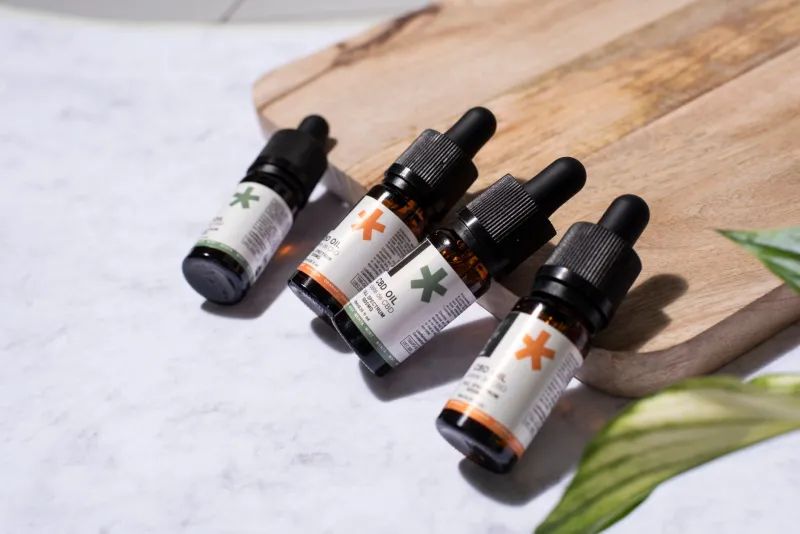
The boutique approach isn’t about owning more. It’s about owning less, but choosing it properly. My working rule for a UK CBD shelf in 2026 is simple: three bottles, three jobs. One daytime oil. One evening edible. One recovery topical. Everything else has to justify its square inch.
Start with an empty shelf, not a shopping list
The temptation is to read this as a buying guide. It isn’t. It’s an audit. Before you add anything new, take everything out of the cupboard and line it up on the kitchen table. Yes, all of it: the hopeful impulse buys, the half-used bottles, the sample sachets, the balm you keep meaning to finish.
Now ask a blunt question of each item: what job does this do in your week? Not what the label promises. Not what the brand’s Instagram says. What does it actually do, and when did you last reach for it?
If the answer is vague, it’s a souvenir, not a staple. Souvenirs can be lovely. They just don’t need pride of place on a small shelf.
The three roles, and why they’re enough
A daytime oil is the workhorse. It should be easy to dose, clear about its CBD content per drop or per ml, and pleasant enough to take mid-morning without a performance. For most people, that means a simple full-spectrum or broad-spectrum oil, taken under the tongue, with a pipette that doesn’t require a maths degree.
An evening edible is the wind-down slot. Not because edibles are inherently better at night, but because a measured, slower-release format suits a quieter routine. A small dose after dinner, a clear label, and a format you actually enjoy eating. That’s the whole brief.
A recovery topical is the practical one. A balm or gel for shoulders, knees, hands — the bits that complain after a long day at a desk or a weekend walk. It doesn’t need to be the strongest thing on the market. It needs to be pleasant to use, clearly labelled, and within reach when you need it.
Three roles. That’s the frame. If a product doesn’t fit one of them, it’s either a duplicate or a distraction.
Dose clarity is non-negotiable
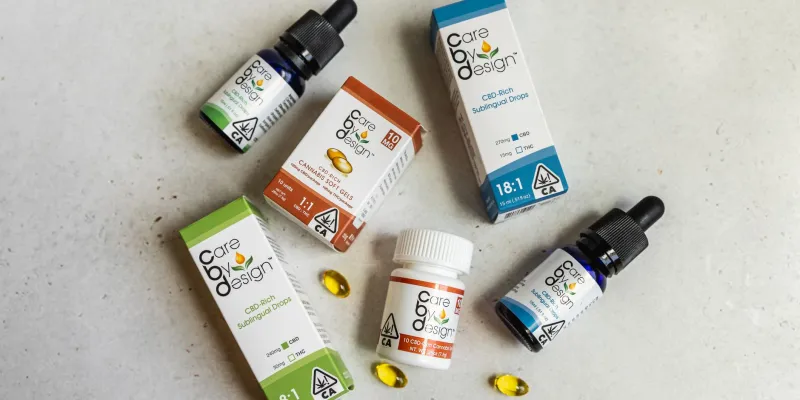
UK CBD labels have improved, but they still ask a lot of the reader. Look for the CBD content in milligrams per ml and, ideally, per drop. If a bottle says “500mg” but not how much that is per ml, you’re doing unnecessary arithmetic. If the pipette has no graduation marks, you’re guessing.
A gem makes dosing plain. That doesn’t mean it has to be clinical or boring — it means you shouldn’t have to squint at the small print to work out what you’re taking. If the dose is unclear, the product is not ready for your shelf.
Do the price-per-milligram maths
Price per bottle is a poor guide. Price per milligram of CBD is better. Divide the total price by the total CBD content in milligrams. A £35 bottle with 500mg is 7p per mg. A £50 bottle with 1,000mg is 5p per mg. The cheaper-looking bottle isn’t always the cheaper option.
This isn’t about chasing the lowest number. It’s about knowing what you’re paying for. A beautifully made oil with a transparent batch record might justify a higher price per mg. A bargain bottle with no batch date and a vague label probably doesn’t. The maths gives you a fair comparison, not a final verdict.
Check the dates, then check them again
CBD products aren’t immortal. Look for a batch number and a best-before date. If the date is missing, treat that as a warning sign. If the product is past its date, it’s not a treasure — it’s clutter with a label.
Storage matters too. A cool, dark cupboard is better than a bathroom windowsill. Heat and light are not kind to oils. If you’ve been keeping your CBD next to the kettle, that’s a habit worth changing. It’s a small thing, but small things are what a curated shelf is made of.
Packaging should earn its place too
I’m not asking for minimalist glass and a poem. I’m asking for packaging that does its job. A pipette that reaches the bottom of the bottle. A cap that doesn’t leak. A label that stays readable after a few weeks of handling. A box that tells you the batch and the dose without making you hunt.
If a product fails at this level, it doesn’t matter how good the oil is. You’ll resent using it. A gem should be easy to live with.
The three-bottle shelf in practice
Once you’ve audited, you’ll probably find you have one good daytime oil, one edible you like, and a topical that’s fine but not perfect. That’s a working shelf. Live with it for a month. Notice what you reach for and what you avoid. Then replace only the weakest link.
The point isn’t to be rigid. It’s to be deliberate. A smaller shelf makes it easier to spot a genuine upgrade, because you’re not distracted by five half-used bottles. It also makes your CBD spending easier to justify, because every product has a job.
In a market that never stops launching, the quiet luxury is a shelf you understand. Three slots. Three jobs. Everything else has to earn its place — or find a new home.