The Finish-First Shelf: A November Audit for Part-Used CBD

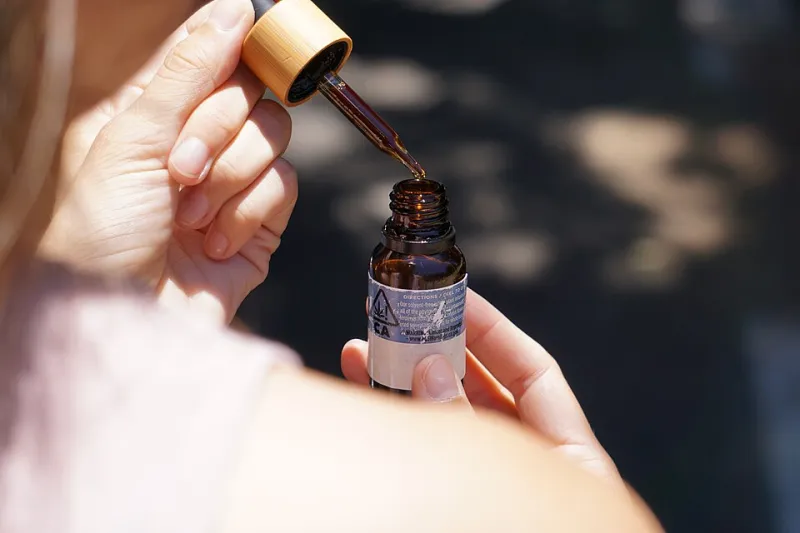
Photo: Brooke A. Schueller, CC BY-SA 3.0, via Wikimedia Commons
November has a way of exposing the truth about our cupboards. The dark-at-four afternoons arrive, the kettle goes on more often, and suddenly you are rummaging past the same three half-used CBD bottles you have been sidestepping since spring. They are not quite clutter. They are not quite a collection either. They are a curation problem, and the end of the year is as good a time as any to give them a fair hearing.
The Drawer of Almosts
Every CBD shelf has one: the oil you opened during a stressful week in February, the balm that helped on a desk-bound afternoon and then got buried under a paperback, the tincture bought on a whim because the label was lovely and the price was right. None of them are failures. They are simply unfinished business.
The temptation is to either ignore them until they expire or declare a ruthless clear-out and bin the lot. Both approaches miss the point. A part-used bottle is information. It tells you what you actually reach for, what you merely liked the idea of, and what deserves a place in your 2026 rotation. Treat the audit as a small act of editing rather than a purge.
Start With the Shelf, Not the Bin
Before you unscrew a single cap, clear a space on the kitchen table and bring the bottles out into daylight. British winter light is not generous, so do this earlier in the day if you can. Line them up. Wipe the dust off. Read the labels properly, including the batch number, the opening date if you noted it, and any best-before guidance.
You are looking for three things: what is left, what it is for, and whether it still feels like something you would choose today. A bottle with two drops left is not the same as a bottle that is three-quarters full. A balm you used twice is not the same as an oil you finished in a fortnight. Group them loosely into finish-first, rehome, and retire. Do not force a decision on the first pass. The point is to see the shape of the drawer.
The Quiet Factors That Age a Bottle
CBD oils and balms are not immune to the British climate. A cupboard above the kettle is a warm, humid place. A windowsill is a sun trap. A bathroom shelf is a steam room in miniature. If a bottle has spent months in any of those spots, its condition may be less predictable than the label suggests.
Storage matters because it affects freshness, not because it is a moral test. Oils generally prefer cool, dark and dry. Balms are hardier but still dislike prolonged heat. If you decanted a tincture into a tiny travel bottle in July, ask yourself whether that bottle was clean and whether it has been sitting in a handbag ever since. Part-used products carry more air, and more air means more opportunity for the contents to change character.
This is not a reason to panic. It is a reason to look, smell and use your judgement. If an oil smells sharply different from how you remember it, or a balm has separated in a way that does not settle when warmed in your hands, that is useful evidence. You do not need a laboratory to notice that something has stopped being itself.
Post-Opening Freshness Without the Guesswork
Most UK CBD brands give some indication of shelf life, but the clock starts when you break the seal, not when the parcel lands. If you did not write the opening date on the bottle, estimate it from when you bought it and how long it has been in rotation. A pencil or a small sticker is enough. This is not admin for its own sake; it is how you avoid guessing in November.
A simple rule helps: the finish-first shelf should hold only what you can realistically use in the next few weeks. Anything that needs months of regular use belongs in the main rotation, not the odds-and-ends queue. Anything you are keeping "for best" is probably just being kept. CBD is not a special-occasion whisky. It is a daily-ish product that rewards consistency and loses its charm when it becomes cupboard decoration.
The Finish-First Shelf Method for 2026
Here is the method in its simplest form. Choose one shallow tray or one small shelf. Put the part-used bottles you genuinely intend to finish on it. Nothing else. No full bottles, no backups, no aspirational balms you bought because the packaging matched your bathroom. Just the almosts.
Then give each one a job. The oil with a week left is your morning measure until it is done. The balm with a thumbprint in it lives by the sofa or the desk for the next fortnight. The tincture you are not sure about gets a single fair trial: three uses, noted plainly, then a decision. The finish-first shelf is not a punishment. It is a short, honest queue that stops the drawer from becoming a graveyard.
At the end of the month, reassess. Some bottles will be empty. Some will have earned a permanent place. Others will have proved, gently, that they are not for you. That is a good result. A curated shelf is not the one with the most products on it; it is the one where everything has a reason to be there.
Rehome, Retire, or Repurpose
Rehoming a part-used CBD product is a personal decision, and it comes with common-sense limits. Only pass something on if it is clean, clearly labelled, and you are confident about its storage history. A friend who already uses CBD may welcome a nearly full oil; a colleague who has never tried it probably does not need your cast-offs. Be honest about opening dates and condition.
Retiring is simpler. If a product has changed smell, texture or colour in a way that makes you uneasy, let it go. If it has sat through a summer in a warm cupboard and you cannot remember when it was opened, it has probably done its dash. And if you are keeping it only because it was expensive, remember that the money is already spent. The shelf space is the thing you can still reclaim.
Repurposing is the quiet middle path. A almost-empty balm can become a hand balm by the sink. A dropper bottle can be washed and used for decanting a larger oil into a smaller travel size, provided you label it clearly. These are small domestic economies, not grand declarations. They suit the boutique approach: use what you have, notice what works, and let the rest go.
A Small Ritual for a Calmer Shelf
The November audit does not need to take an afternoon. Twenty minutes with the bottles lined up, a pencil, and a willingness to be honest is enough. The reward is not a perfect cupboard. It is the small relief of knowing what is in there, what is worth finishing, and what you are finally allowed to stop pretending you will use.
As 2026 approaches, think of the finish-first shelf as a seasonal edit. It is the same instinct that makes you clear a windowsill before winter or put away the summer plates. You are not throwing away good intentions. You are giving them a fair hearing, one half-dropper at a time.