Kettle, Cup, Dropper: A Tea-Led Tasting Framework for UK CBD Oils
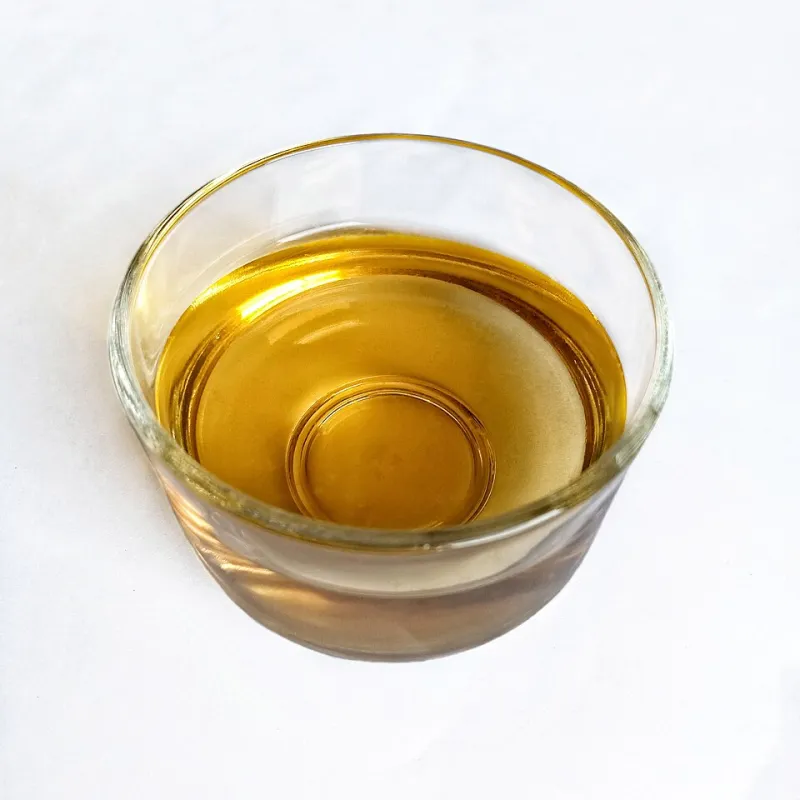
Photo: PagesAndPathsPH, CC0, via Wikimedia Commons
There is a particular kind of November evening in the UK that asks for very little: kettle on, mug warmed, something herbal in the cup. It is also, quietly, one of the best moments to get to know a CBD oil. Not because tea makes CBD do anything extra, but because tea gives you a steady, familiar reference point. You know what chamomile tastes like. You know when peppermint is doing too much. That makes it easier to notice what the oil is doing — or not doing — in your mouth.
Most CBD oil chat gets stuck on milligrams. That is understandable, but it is not the whole picture. If you are taking oil alongside a cup of tea, the carrier oil, the hemp flavour and the finish all shape the experience. This is a sensory framework, not a dosing guide. Follow the label, keep servings sensible, and treat the cup as a way to pay attention rather than a way to chase effects.
Why Tea Makes a Fair Judge
Herbal tea is a useful control because it is consistent. The same bag, the same water, the same steep time, and you have a baseline that costs pennies. It also resets the palate between sips without the sugar, milk or biscuit that can blur the picture. A plain chamomile or rooibos is gentle enough to let a light oil show its edges; a peppermint or nettle is brisk enough to cut through a heavier, grassier one.
The important thing is not to stir the oil into the tea. CBD oil and water do not mix, and you will mostly end up with an oily rim and a vague sense of disappointment. Taste the oil on its own, then sip the tea. The tea is the palate cleanser and the comparison point, not the cocktail mixer.
The Four-Sip Framework
Sip one: the plain baseline. Make the tea as you normally would, but leave out honey or lemon for the first round. Let it cool for a minute. Notice whether it is floral, woody, minty or green. That is your reference note for the evening.
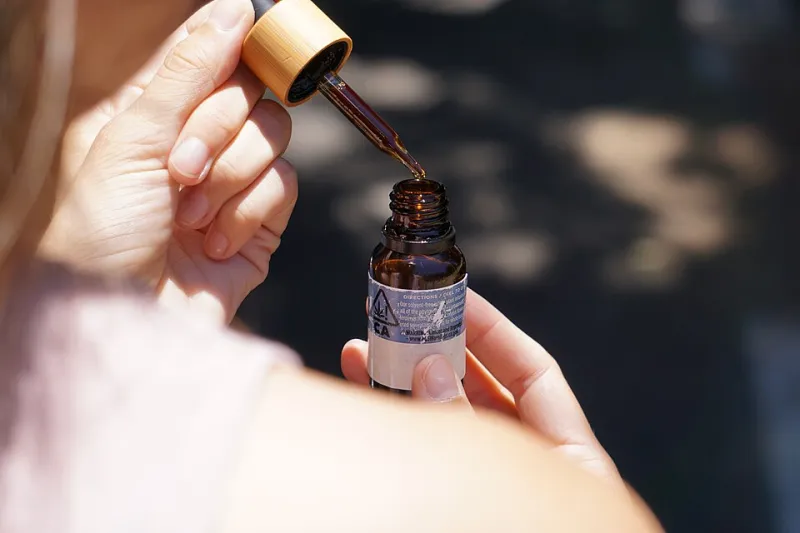
Sip two: the oil, then the tea. Take a small amount of oil as directed on the label — a few drops on a clean spoon or under the tongue is plenty for tasting. Let it sit for a moment, then swallow and sip the tea. Do not rush. The first thing you are looking for is texture: is the oil thin and clean, or thick and slightly waxy? Does it coat the mouth, or disappear?
Sip three: the mid-palate. Wait around thirty seconds, then take another sip of tea. This is where carrier oils show themselves. MCT is usually light and quick; sunflower is soft and slightly rounder; cold-pressed hemp or olive styles can feel heavier and more savoury. You may also catch the hemp note — grassy, peppery, toasted or almost tea-like.
Sip four: the finish. Swallow the tea and pay attention to the aftertaste. A clean finish fades politely. A rough one lingers with bitterness, a soapy edge or a sharp peppery tickle. Neither is automatically bad, but the finish tells you more about quality than the first second ever does.
Three Pairing Principles
Match weight, not flavour. A delicate chamomile will be swamped by a thick, heavily flavoured oil. A robust rooibos can stand up to a fuller cold-pressed hemp oil. Think about body and texture first; flavour is the second question.
Let aroma lead, then check texture. Smell the oil before you taste it. If the aroma is clean and modest, a plain tea will let it speak. If it is grassy or toasted, a woody tea gives it something to push against. If the oil smells strongly of added mint or citrus, use an unscented tea so you are judging the oil rather than the flavour house.
Trust the finish over the first impression. Many oils start pleasantly and then turn bitter or claggy. The tea round gives you a minute or two to notice that. A good oil should leave the mouth feeling reasonably clean, not coated or confused.
Tea-by-Tea Notes
Chamomile. Soft, floral and forgiving. It suits light MCT or sunflower-based oils with a mild hemp note. Heavily flavoured oils tend to stick out here, so keep the tea plain.
Peppermint. Cooling and assertive. It can flatter a clean, grassy oil, but it will also mask subtlety. Use it when you want a reset rather than a close reading.
Rooibos. Sweet, woody and slightly sturdy. This is a good match for fuller-bodied oils, including cold-pressed styles with a toasted or earthy edge. It also makes a forgiving evening cup if you are still working out what you like.
Nettle or fennel. Green, savoury and a little brisker. These suit hemp-forward oils that taste more like the plant than like a confection. If you have ever found an oil too grassy on its own, a savoury tea can make more sense of it.
Oil Styles That Suit Tea-Led Evenings
You do not need brands for this; the style is enough. A light broad-spectrum oil in MCT is the easy starting point for chamomile and peppermint. A sunflower-based oil with a soft, nutty carrier tends to sit well with rooibos. A cold-pressed full-spectrum oil is better in small, careful servings alongside a savoury tea, where its heavier texture has somewhere to go. Flavoured oils are fine, but judge them with plain tea, or you will be tasting the flavouring twice.
A Short Tea-Round Checklist
Use the same mug, the same water temperature and the same steep time. Keep the first cup plain. Taste the oil before you sip, not after. Give the finish a full minute. Compare across three evenings rather than one, because palate and mood both move. And keep the whole thing low-key: this is a way to notice carrier oil, flavour and mouthfeel, not a competition.
The kettle is already on. A tea-led tasting round will not tell you everything about a CBD oil, but it will tell you plenty about whether it deserves a place on your shelf — and whether the next cup tastes better with it or without it.