Muted Labels, Mighty Signals: Reading the Quiet UK CBD Brands

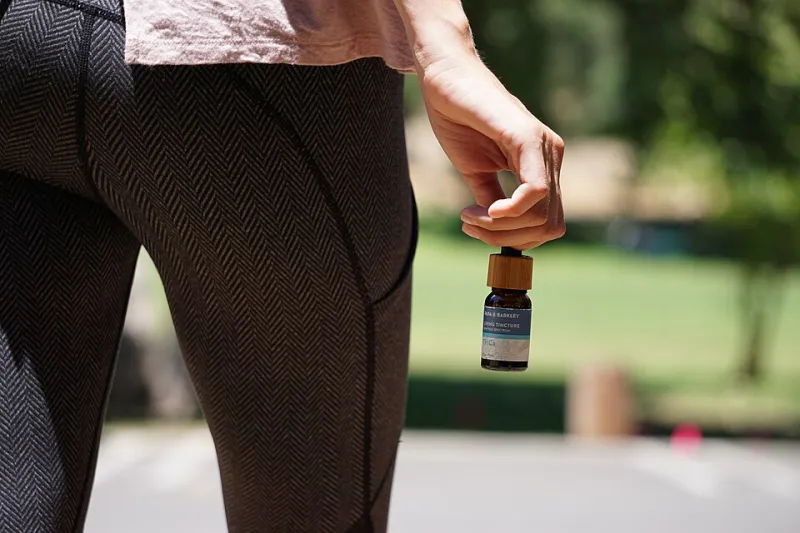
Photo: minimalist amber glass dropper bottle with plain label on natural linen, via artfasad.com
There's a particular kind of CBD bottle that lands in my inbox most weeks. Frosted glass, gold lettering, a name that sounds like a spa in the Cotswolds, and four paragraphs about reconnecting with your natural rhythm. The oil inside is usually fine. Occasionally it's better than fine. But the packaging is doing an enormous amount of work that the batch data should be doing instead.
The theatre of wellness
None of this is a crime. Selling anything in 2026 means competing for a scroll, and the CBD shelf — online and on the actual high street — is packed with brands bellowing variations of the same three promises: calm, balance, sleep. The bellowing is a marketing decision, not a quality one. But after a few years of picking through UK CBD, I've come to trust the opposite signal. The finds that stay in my cupboard tend to be the ones that barely say anything at all.
What a quiet label is actually telling you
Muted design isn't automatically virtue. Plenty of under-designed products are also under-tested, and a beige bottle proves nothing on its own. The point is what the quiet leaves room for. When a brand isn't spending its word count on mood, it usually spends it on facts: how much CBD per drop, which part of the plant, where it was grown, when it was bottled, and how to find the lab report. That trade-off is worth watching.
Serving guidance is the first tell
A good label tells you what a serving is in milligrams and in millilitres, then tells you what that means in practice — half a dropper, roughly 10 mg, start with one and hold for a week. A weak label says 'use as needed' and leaves you guessing whether you've had 5 mg or 50. Vagueness here isn't modesty. It's either an absence of testing or an absence of interest in you after the sale.
Batch numbers and the paper trail
Understated brands almost always print a batch number on the bottle rather than offering a QR code that lands on a generic landing page. The difference matters. A batch number is specific to the oil in your hand, while 'lab-tested' is a badge anyone can print. Look for cannabinoid content stated in mg/ml, a date of analysis, and ideally a named laboratory. UK labs get named more often than they used to, and a brand willing to name one is a brand with less to hide.
The price that doesn't need a story
Sensible pricing is its own kind of honesty. At the moment, a decent full-spectrum oil in the UK sits in a fairly predictable band per 100 mg of CBD. Anything wildly below that band is usually cutting something — carrier oil quality, cannabinoid content, or the testing itself. Anything wildly above it is usually selling the frosted glass. Quiet brands tend to sit mid-band and explain why, rather than inventing a small-batch premium that never shows up in the numbers.
Loud claims and the regulatory fog
Worth remembering that UK rules haven't loosened. CBD is a novel food, the FSA's public list is the register that counts, and brands can't claim to treat anything. So when copy leans hard on 'clinically proven' and 'doctor-formulated' without a citation in sight, that isn't confidence. It's noise. The quiet labels tend to stay inside the lines, and staying inside the lines is boring, which is more or less the point.
A short set of curation signals
Not a ranking — just the things I check before a bottle earns shelf space.
- Serving size given in both mg and ml, in plain English
- A batch number on the packaging, not buried in a footer
- A lab report you can actually open, with a date and a named lab
- An FSA novel food listing that matches the brand on the bottle
- A price per 100 mg sitting in the normal band
- A returns policy that doesn't require an email argument
- Copy that describes the product rather than your personality
What the noise actually costs you
The real cost of wellness theatre isn't the money, though it's often that as well. It's the way it fogs your own evidence. If you've been sold the story, you'll credit the story when something works and blame yourself when it doesn't. A plain bottle with clear numbers lets you judge properly: this dose, this week, this effect. That's a far better experiment, and it's the only one that tells you anything.
The gem is usually the quiet one
None of this means you should buy the ugliest bottle on the shelf. It means the signals worth trusting are dull — dosing, dates, labs, price. Brands that lead with those tend to still be trading three years later, which is a reasonable proxy for a gem. The ones leading with the spa-in-the-Cotswolds story are often gone by the next January sales, and their batch data goes with them.
Next time something catches your eye, read the back before the front. That's where the quiet ones introduce themselves.