Where the Bottle Sleeps: A Room-by-Room Storage Audit for Your CBD

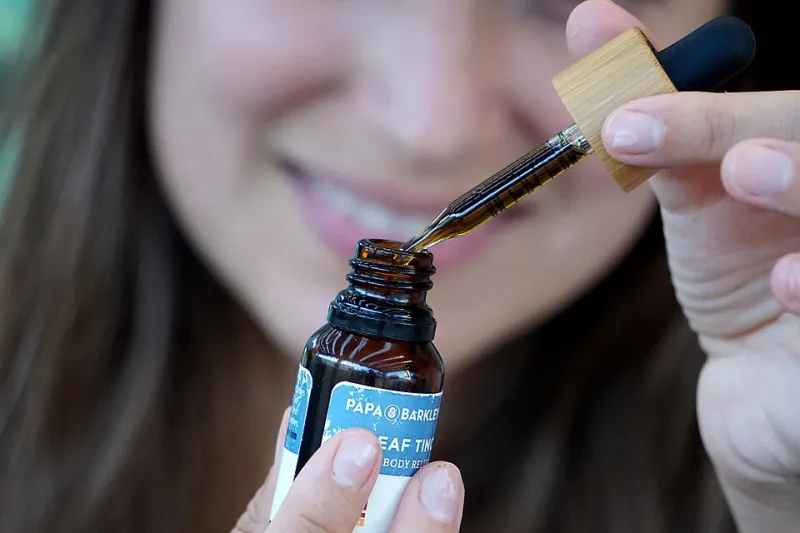
Photo: Ohiamjk, CC BY-SA 4.0, via Wikimedia Commons
There's a particular kind of optimism in putting a nice bottle of CBD oil on the bathroom shelf. It sits beside the toothpaste, catches the mirror light, and looks like part of a routine. It's also, quietly, one of the least friendly places in the house for it to live.
Storage rarely gets the attention that sourcing or dosage does, but it's the difference between a bottle that tastes fresh in February and one that tastes like a forgotten walnut by Bonfire Night. So with the heating coming on and the windows shut for the season, here's a straightforward audit you can run in about five minutes.
What actually happens inside a bottle
Three things go to work on a CBD oil once it leaves the shop.
Light is the sneaky one. Cannabinoids are sensitive to UV, which is why good brands use amber or opaque glass rather than clear. But amber slows the process rather than stopping it — a bottle left in direct sun on a windowsill is still getting cooked, just more slowly than one in clear glass.
Heat is the impatient one. Warmth speeds up oxidation in the carrier oil, and oxidation is what turns a fresh, grassy hemp oil into something that smells faintly of old crayons. It doesn't need to be hot, either. A cupboard above a boiler or a shelf next to a radiator runs warm and cool all day, and that constant cycling is arguably worse than a steady temperature.
Humidity is the messy one. Steam from showers and kettles gets into the threads of the cap, lifts labels, and condenses inside the neck of the bottle. Every time you open a dropper in a steamy room, you're inviting a little water in for a visit. Water and oil don't mix, but they do encourage the oil to degrade faster.
Add air to the list — every opening is a small exchange — and the picture is clear: a stable, dark, dry, cool spot is the goal.
Room by room
The bathroom shelf
The worst landlord in the house, and also the most popular one. Steam, temperature swings, a bottle opened twice a day in a humid room. If your CBD lives here, move it today. Nothing about the bathroom is helping.
The kitchen windowsill
The 'pretty bottle' trap. Direct sun for several hours a day, plus warmth from the hob and the oven. If the bottle has gone noticeably darker or the oil tastes sharper than it did in week one, this is probably why.
The cupboard above the boiler, or beside the radiator
Warm and dry, which sounds fine until you remember that the temperature is swinging every time the heating clicks on and off. Oils don't love a rollercoaster, even a gentle one.
The fridge door
Here's the debate, settled. Yes, the fridge is a legitimate home for CBD oil — with conditions. Cold and dark slows oxidation, which is genuinely useful if you've bought a large bottle, stocked up in a sale, or plan to be away for a few weeks.
But three caveats matter. First, the door is the worst part of the fridge: it's the spot that warms every time someone opens it. Put the bottle at the back of a shelf instead. Second, keep it sealed inside a small airtight tub so it isn't sitting in condensation. Third — and this is the one people forget — let it come to room temperature before you open it, or you'll pull moisture straight into the oil.
For a bottle you use twice a day, the fridge is actually counterproductive. The constant in-and-out cycling is worse than a steady cupboard.
The bedroom drawer, the hallway cupboard, the bottom of a wardrobe
This is the sweet spot. Cool, dark, stable, nowhere near a kettle or a shower. A drawer in a room you don't steam up is a genuinely good home for a working bottle.
A quick freshness check
Before you decide what to keep and what to move, give the bottle the once-over. Smell it: fresh hemp oil is earthy and green, while oxidised oil smells flat, waxy or slightly like old nuts. Look at it: a noticeable darkening over a few weeks is a signal. Feel it: if it's tacky or thicker than you remember, that's worth noting. And check the label for the batch date if the brand prints one — the better ones do.
The 'where should this bottle live?' checklist
Run through this the moment a new CBD gem arrives, and again when the clocks change.
- Is the bottle within two metres of a shower, a kettle, a radiator or a window? Move it.
- Does the room swing by more than a few degrees across a normal day?
- Is the glass amber or opaque, and does the cap close fully with a proper seal?
- Are you opening it more than twice a day? If so, keep only the current bottle out and store the spare elsewhere.
- Is there a cupboard or drawer that stays cool, dark and dry? That's the spot.
- Going away, or bought in bulk? Fridge, sealed, back of a shelf, never the door — and let it warm up before opening.
- Write the date you opened it on the box. You'll thank yourself in January.
- Keep unopened spares sealed, upright and in the dark. A bottle that's never been opened is doing fine on its own.
The bottle doesn't ask for much: a dark drawer, a stable temperature, and a cap that stays tight. Give it those three things and it'll taste like the thing you paid for, right through to the last drop.